Lake Trout and Atlantic Salmon Caught in Burlington VT
Lake Trout and Atlantic Salmon Fishing in Burlington - What to Expect
%2F%2Fusers%2Fd383073f-c9c4-427c-8dc7-7a169a25f050%2Fimages%2Fburlington-vt-trout-salmon-fishing-2921.jpg&w=1920&q=75)
Fishing Charter by Captain Rob Thorne in May
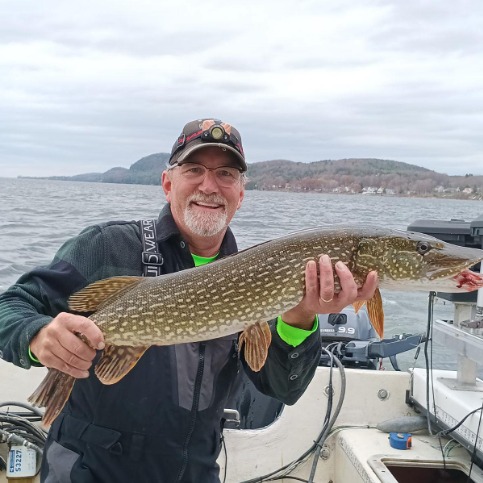
- Lake Champlain fishing trips with Captain Rob


Summary
Join a dynamic fishing charter on Lake Champlain this May for an unforgettable experience targeting lake trout and Atlantic salmon. Captain Rob Thorne of Captain Thorny's Fishing Charters delivers fast-paced action on the water, where fresh catches and expert guidance combine for peak excitement in Burlington's premier fishery.
Fishing Charter with Captain Rob Thorne - Rates & Booking
Captain Rob Thorne of Captain Thorny's Fishing Charters delivered stellar action on Wednesday, May 14th, bringing anglers face-to-face with Lake Champlain's most sought-after species. This fishing charter combines expert local knowledge with proven techniques that put fish in the boat and adrenaline through your veins.
Captain Thorne's approach maximizes your time on the water targeting both lake trout and Atlantic salmon. The charter provides everything needed for success, with experienced guidance that turns technique into results. Whether you're a seasoned angler or stepping into trophy fishing for the first time, this charter adapts to your skill level while pushing for peak performance.
Book your Lake Champlain fishing adventure online to secure your spot on the water. Captain Thorny's Fishing Charters offers flexible scheduling and personalized service that keeps the focus on landing fish and creating memories.
Highlights of Your Fishing Experience
Lake Champlain delivers consistent action on species that demand skill and strategy. The combination of lake trout depth hunters and aggressive Atlantic salmon creates dynamic fishing conditions that keep lines tight and excitement building. Fresh catches prove the productive waters and proven methods that define this charter experience.
The energy peaks when multiple species strike simultaneously, testing your instincts and technique in real time. Watching the cooler fill with trophy-caliber fish builds momentum throughout the day, with each catch driving momentum toward the next opportunity.
Local Species Insights: Lake Trout and Atlantic Salmon
Lake Champlain ranks among the Northeast's premier coldwater fisheries, hosting robust populations of lake trout and Atlantic salmon that challenge and reward skilled anglers. Lake trout thrive in deep, cool waters, holding near structural zones where temperature and food sources align. These fish strike decisively when presented with the right lure or technique, creating explosive moments on the water.
Atlantic salmon bring aggressive energy and unpredictable strikes that test your reflexes and readiness. These fish exhibit strong runs and dramatic takes that intensify the entire fishing experience. Their presence in Lake Champlain makes spring and early summer premier seasons for anglers targeting multiple species simultaneously.
The interplay between these species creates layered fishing conditions. Depth changes, current flows, and seasonal patterns combine to concentrate fish in specific zones that Captain Thorne knows intimately. This knowledge translates directly into boat positioning, lure selection, and timing that puts you in position for consistent action.
Water conditions on Lake Champlain shift with season and weather, affecting species behavior and movement patterns. Spring fishing takes advantage of pre-spawn positioning and aggressive feeding windows. Understanding these dynamics separates productive days from challenging ones, making local expertise your advantage.
Plan Your Fishing Day
Arrive ready for action with layers and polarized sunglasses that enhance sight-fishing opportunities. The charter equips you with tackle and technique guidance, allowing focus on the fishing experience itself. Group dynamics create camaraderie as multiple anglers pursue the same exciting objective, celebrating each catch and sharing techniques that drive success.
Timing matters on Lake Champlain, with morning and early afternoon windows delivering peak activity. Captain Thorne positions the boat strategically throughout the day, following fish movement and adjusting to real-time conditions. This adaptive approach keeps momentum high and opportunities coming steadily.
Fishing in Lake Champlain: Lake Trout and Atlantic Salmon
Lake Trout Overview
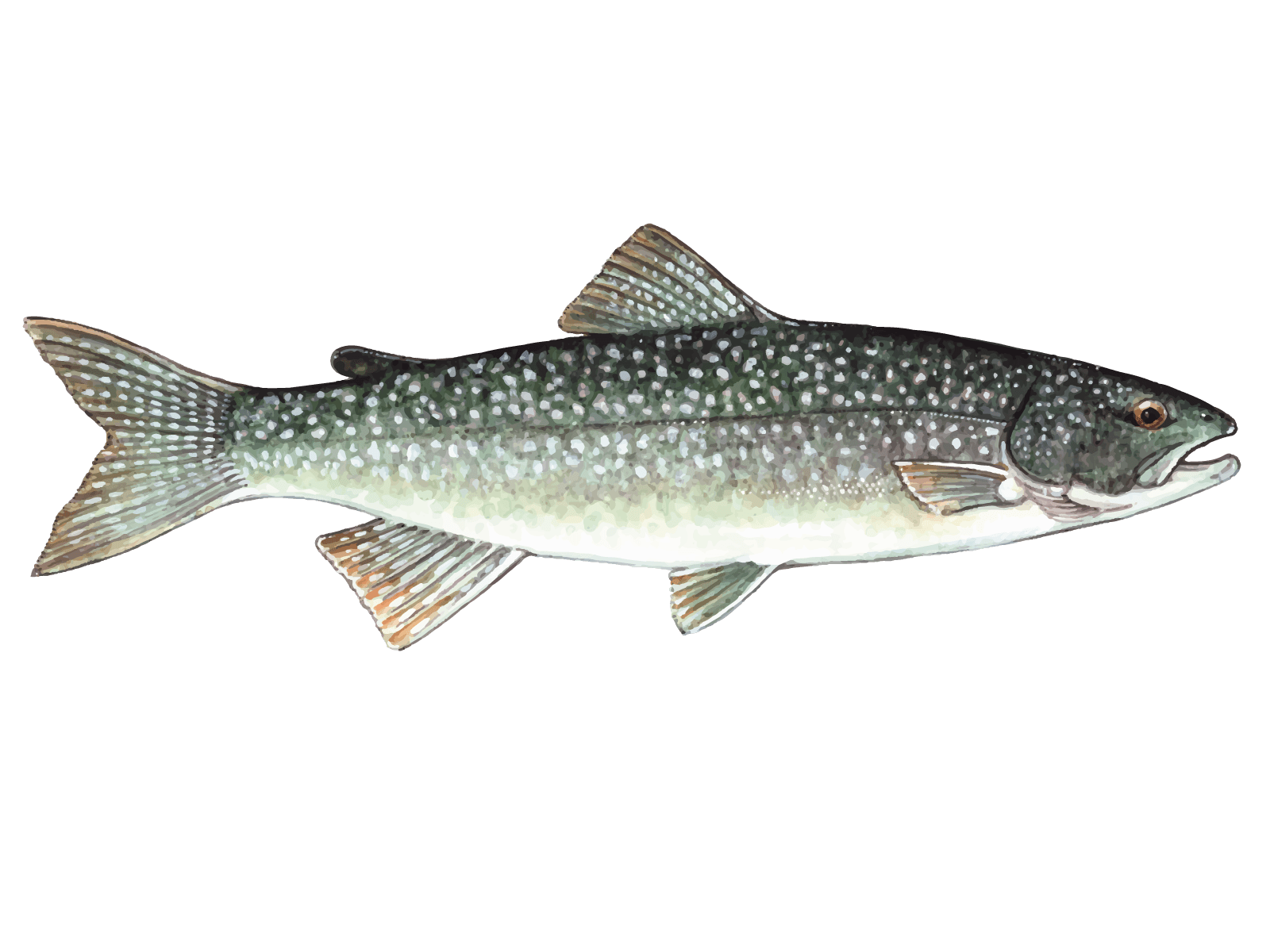
The Lake Trout (Salvelinus namaycush) is the largest member of the char family within the Salmonidae family and Salmoniformes order. These remarkable cold-water fish are distinguished by their grey to green coloring, lighter belly, and striking yellow to cream-colored markings across their body and fins. Lake trout are legendary among anglers for their challenging pursuit in deep, pristine waters and are the only major native game fish to inhabit the deep, cold waters of oligotrophic lakes in northern regions. What makes these fish particularly fascinating is their slow growth rate, late maturation, and notably low reproductive potential compared to other popular game fish species—qualities that make sustainable fishing practices especially important.
Lake Trout Habitat and Distribution
Lake trout are true specialists of cold-water environments and depend critically on high levels of oxygenation to thrive. These fish have a relatively narrow geographic distribution compared to other trout species, though their range is expanding through human introduction. Naturally, they're found throughout the northern reaches of North America, including the Great Lakes region, across Canada, parts of Alaska, and to a lesser extent the northeastern United States. In recent decades, lake trout have been artificially stocked in Europe—particularly in Scandinavian countries like Sweden—as well as in New Zealand, South America, and parts of Asia. Within their native lakes, these fish typically suspend themselves in the middle of the basin at considerable depths, where water temperatures and oxygen levels suit their demanding requirements. During summer months, lake trout in the southern portions of their range retreat to even deeper water where cooler temperatures persist.
Lake Trout Size and Weight
Lake trout are impressive fish and live up to their reputation as the largest char species. Typical catches range from 15 to 40 pounds, with average lengths falling between 24 and 36 inches. Anglers pursuing these deep-water dwellers should know that truly exceptional specimens do exist—the world record for lake trout caught on rod and reel was landed at Great Bear Lake in the Northwest Territories of Canada and weighed an astounding 72 pounds with a length of 52 inches. However, fish in the 25 to 59-inch range with weights between 5 and 15 pounds represent the more commonly encountered sizes for most recreational anglers.
Lake Trout Diet and Behavior
Lake trout are carnivorous predators that feed primarily on smaller fish species and aquatic organisms available in their deep-water environments. These fish are known to be light-sensitive and actively avoid bright conditions, making their feeding behavior most pronounced during overcast days, dawn, dusk, and nighttime hours. Understanding this preference is crucial for successful angling, as lake trout generally feed more frequently when light levels are low. Their behavior is largely driven by water temperature and oxygen availability—factors that dictate where they position themselves throughout the day and across seasons. Interestingly, lake trout can hybridize with brook trout to create a sterile hybrid species called splake, which fisheries managers stock in lakes across North America to provide additional sport fishing opportunities.
Lake Trout Spawning and Seasonal Activity
Spring represents one of the most productive times for targeting lake trout, particularly immediately after ice-out when water temperatures are at their coldest. During this period, fish move to relatively shallower waters compared to their typical deep summer and fall positions, making them more accessible to anglers. As water temperatures warm throughout spring and into summer, lake trout gradually migrate deeper to find the cool, oxygen-rich water layers they require for survival. Fall fishing can also be excellent as cooling water temperatures again draw fish toward shallower zones. Understanding these seasonal movements is essential for planning a successful lake trout expedition, as the same lake can require completely different fishing strategies depending on the time of year.
Lake Trout Techniques for Observation or Capture
Jigging Method: Jigging is the preferred and most effective technique for lake trout due to their deep-water habitat. Employ jigging lures like the Rapala Jigging Rap or lures that imitate wounded baitfish, as these closely mimic the natural prey these fish hunt in the depths. Jig heads fitted with soft plastic paddle tail swimbaits, skirted jigs, and bladed jigging spoons are all excellent choices that produce consistent results. The key is maintaining vertical contact with the lake bottom and working your lure with subtle, controlled movements that trigger strikes from suspended fish.
Trolling with Crankbaits: When targeting lake trout in deeper zones or when they're positioned higher in the water column, trolling with quality crankbaits is highly effective. This method allows you to cover more water and reach the precise depths where fish are holding. Crankbaits can be trolled along deep structure, drop-offs, and basin edges to locate active fish. This technique works particularly well in spring when fish are more distributed and less confined to extreme depths.
Spoon Fishing: Don't overlook traditional spoons when pursuing lake trout. These classic lures remain remarkably effective and can be used both while jigging vertically and while trolling. Spoons are particularly valuable when you're searching for fish across different depth zones, as they're simple to deploy and retrieve while covering water efficiently. Around lakes in northern Canada and the Great Lakes region, local guides often recommend starting with spoons early in the season to establish where fish are positioned.
Lake Trout Culinary and Utilization Notes
Lake trout have earned a reputation as good eating fish with firm, flavorful flesh that appeals to many anglers. The meat has a mild to moderately rich flavor profile and holds up well to various cooking methods including baking, grilling, smoking, and pan-frying. These fish are nutritionally valuable, providing excellent sources of protein and omega-3 fatty acids beneficial for cardiovascular health. However, some regional guidelines recommend limiting consumption of larger specimens due to potential bioaccumulation of environmental contaminants in deep-water ecosystems. Always check local fishing regulations and consumption advisories before harvesting lake trout, as these guidelines vary by lake and region and are designed to ensure both personal safety and sustainable fish populations.
Lake Trout Frequently Asked Questions
Q: What is the best bait or lure for catching lake trout?
A: Jigging is the most effective method, using lures like Rapala Jigging Raps, soft plastic swimbaits on jig heads, bladed jigging spoons, or traditional spoons. These lures best mimic the baitfish and small prey that lake trout hunt in deep water. The specific choice depends on water depth, season, and current fish positioning.
Q: Where can I find lake trout in Canada and the Great Lakes?
A: Lake trout thrive in deep, cold-water lakes throughout Canada, the Great Lakes region, and northern portions of the United States. The Great Lakes themselves—particularly Lakes Michigan, Huron, and Superior—offer excellent populations. In Canada, Great Bear Lake in the Northwest Territories is world-renowned for trophy lake trout fishing. Always consult local fishing reports and regulations for specific lake recommendations in your target region.
Q: When is the best time to fish for lake trout throughout the year?
A: Spring immediately after ice-out is often considered the prime season, as fish move to shallower water in the colder temperatures. However, fall can also be excellent as water cools again. Summer fishing requires targeting deep structures and basin zones where cooler water persists. Timing within the day is equally important—fish during overcast conditions or low-light hours when lake trout feed most actively.
Q: Are lake trout safe and good to eat?
A: Yes, lake trout are considered good eating fish with firm, flavorful meat that works well in many preparations. However, it's important to check local consumption advisories, as some deep-water lakes may have recommendations limiting harvest or consumption, particularly for larger specimens that may accumulate environmental contaminants. Always follow regional guidelines before harvesting.
Q: How deep do lake trout typically stay, and does this affect fishing strategy?
A: Lake trout are deepwater specialists that typically suspend themselves in mid-basin zones and at considerable depths, especially during summer when shallower water warms. This deep habitat is why jigging vertically is the most productive technique. In spring and fall, they move shallower, making them more accessible. Depth finders and sonar are invaluable tools for identifying where fish are positioned at any given time.
Q: Can lake trout be caught in smaller lakes, or do they require massive bodies of water?
A: While lake trout are typically associated with large, deep, cold-water lakes like those in the Great Lakes and Canadian shield regions, they can exist in appropriately sized lakes that meet their specific requirements: sufficient depth, cold water year-round, and adequate oxygen levels. Not all lakes can support lake trout populations, so it's essential to research your target water body before planning a fishing trip. Local fisheries departments can provide detailed information about which lakes in your area support viable lake trout populations.
Atlantic Salmon Overview
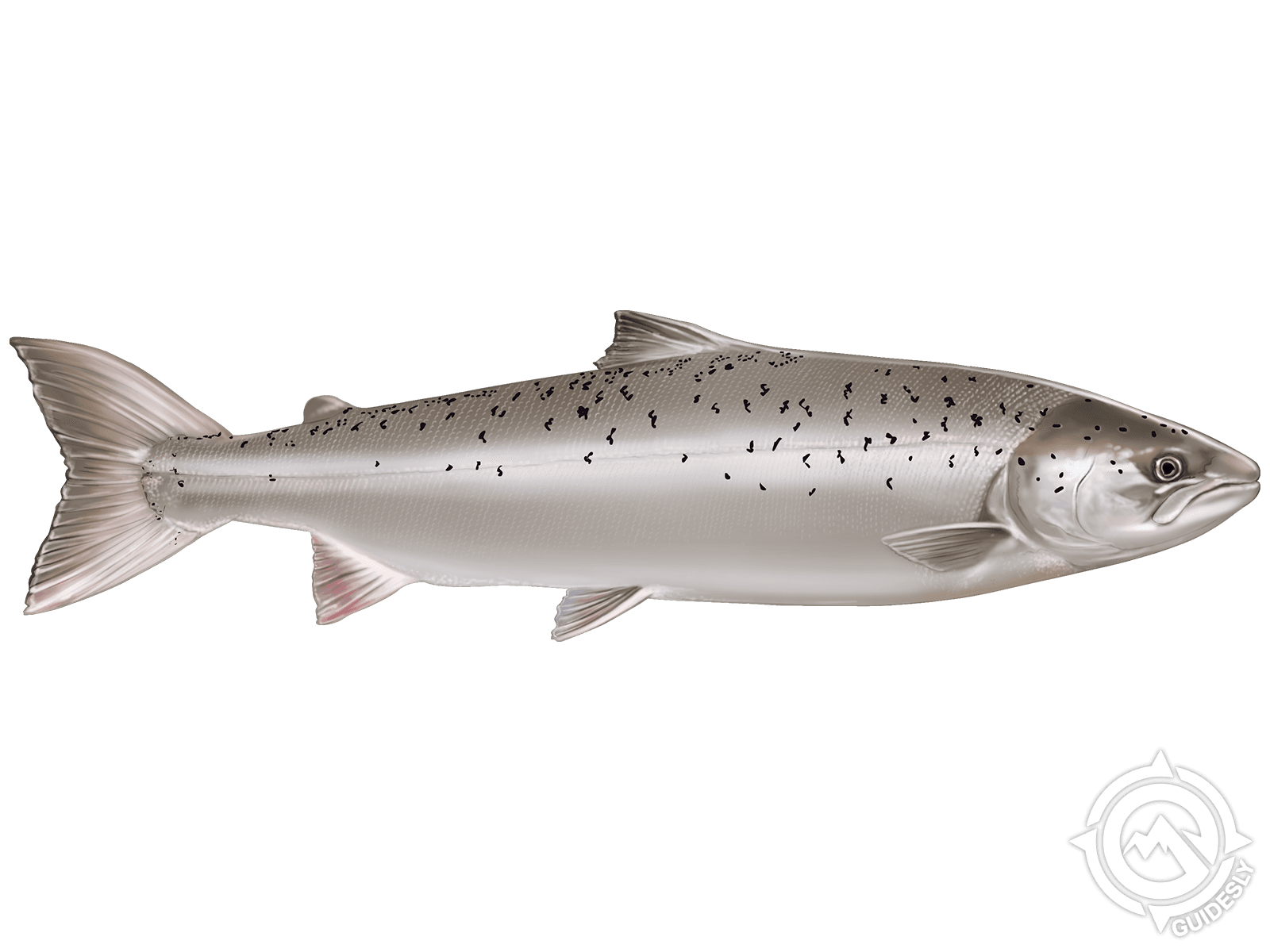
The Atlantic Salmon (Salmo salar), belonging to the family Salmonidae and order Salmoniformes, is one of the most iconic and sought-after fish species in North America. Distinguished by its sleek, elongated body with a forked tail and relatively small head, this remarkable fish is the only salmon species native to the Atlantic Ocean and the second-largest in the entire salmon family. What makes Atlantic salmon truly special is their anadromous nature—they're born in freshwater rivers and streams, migrate to the ocean to grow and feed for several years, then return to their natal waters to spawn. Unlike their Pacific cousins, Atlantic salmon can spawn multiple times throughout their lives, making them incredibly valuable to both recreational anglers and conservation efforts. In Maine and other northeastern regions, these silvery fighters are considered the king of fish due to their powerful leaping ability and thrilling fight once hooked.
Atlantic Salmon Habitat and Distribution
Atlantic salmon thrive in cold, pristine waters across the North Atlantic. Young salmon are born and spawn in freshwater bodies such as streams, rivers, and lakes throughout New England and the Maritime provinces, where they remain for approximately 2 to 3 years before migrating toward estuaries and finally into the Atlantic Ocean. They spend another 2 to 3 years at sea feeding and growing before the remarkable homing instinct calls them back to their birth water to complete the reproductive cycle. Historically, these magnificent fish were native to almost every river and stream north of the Hudson River in the United States. Sadly, due to habitat destruction, dam construction, and overfishing, most populations in New England have been eradicated. Today, the only native populations of Atlantic salmon remaining in the United States are concentrated in Maine, where dedicated conservation programs work tirelessly to restore and protect these declining stocks. Their distribution map reveals the stark reality of their decline, with thriving populations now limited primarily to Canadian Maritime provinces and Iceland.
Atlantic Salmon Size and Weight
Atlantic salmon typically grow to an average length of 28 to 30 inches, though specimens can range from 24 to 32 inches depending on their time spent at sea and local environmental conditions. Weight generally ranges from 8 to 12 pounds for typical catches, with larger individuals occasionally exceeding these averages. The largest Atlantic salmon tend to be older fish that have spent more time feeding in the nutrient-rich Atlantic waters. Sexual dimorphism is notable during spawning season, with males developing a pronounced hooked jaw called a kype, while females remain more streamlined. Size is often an indicator of age, with most spawning salmon being at least 4 to 6 years old, making each substantial catch a genuinely impressive achievement.
Atlantic Salmon Diet and Behavior
The dietary preferences of Atlantic salmon shift dramatically throughout their lifecycle. Juvenile Atlantic salmon in freshwater streams feed primarily on small insects and amphipods, developing their predatory skills in the cool, clear waters where they were born. Once they reach the ocean as smolts—transformed through a remarkable physiological process called smoltification—their diet expands to include herring, alewife, rainbow smelt, capelin, mummichogs, sand lances, flatfish, and small Atlantic mackerel. This oceanic feeding period allows them to grow rapidly and gain the strength necessary for their eventual upstream migration. During their freshwater spawning migration, however, Atlantic salmon typically cease feeding altogether, relying entirely on stored energy reserves. Behaviorally, these fish are highly intelligent and possess an extraordinary navigation ability, using geomagnetic cues and olfactory memory to locate their home rivers from thousands of miles away in the open ocean.
Atlantic Salmon Spawning and Seasonal Activity
The Atlantic salmon spawning cycle is one of nature's most dramatic migrations. Spawning typically occurs from November through January, with young salmon hatching in April after spending the winter protected in gravel nests. Salmon usually spawn at night, selecting pool ends or gravelly bottoms in their natal rivers. During spawning, males compete fiercely for mating opportunities, their hooked jaws clashing in spectacular battles. After the male fertilizes eggs deposited by females, the eggs are carefully covered to protect them from predators and disturbance. Unlike Pacific salmon, many Atlantic salmon survive spawning and return to the ocean to feed and regain strength, allowing them to spawn again in subsequent years—a remarkable adaptation that sets them apart. This partial repeat breeding capability means that a single Atlantic salmon might contribute to multiple generations of its population, increasing genetic diversity and population resilience.
Atlantic Salmon Techniques for Observation and Capture
Fly Fishing with the Swing Technique: One of the oldest and most effective methods for catching Atlantic salmon is the classic swing technique, still considered the gold standard among experienced anglers. This method involves casting your fly at approximately 45 degrees downstream, then allowing it to swing naturally with the current across the river pool. The fly choice is critical and should match water conditions—use larger flies on cold days and never forget black color patterns in your fly box. The color of your fly should closely match the water color you're fishing; in clear water, use lighter shades of greens and silvers, while darker, more opaque patterns work better in stained or peaty water. Around Maine's famous rivers like the Penobscot and Kennebec, experienced guides swear by this method during spring and fall runs.
Conventional Casting and Spinning: For anglers who prefer conventional tackle, small spoons, spinners, and plugs can be highly effective, particularly in slightly higher water conditions. Cast upstream or across-stream and retrieve with a steady, moderate pace, allowing the lure to wobble and flash in the current. Metal spoons in silver, gold, and copper finishes often provoke strikes from aggressive feeding fish, particularly during prime early morning or evening hours.
Location and Timing Strategy: Success with Atlantic salmon requires fishing the right spots at the right time. Focus on deep pools, current breaks behind large rocks, and the tails of established runs where salmon rest during their upstream migration. Early morning and late evening provide the most productive fishing windows, and water temperature is critical—fish are most active when water temperatures range between 45 and 60 degrees Fahrenheit. Spring (March through May) and fall (August through October) represent the prime fishing seasons in most northeastern rivers.
Atlantic Salmon Culinary and Utilization Notes
Wild Atlantic salmon is widely regarded as an excellent delicacy, commanding premium prices at seafood markets and restaurants worldwide. The flesh is distinctively orange or pink in color, with a rich, buttery flavor profile that reflects the fish's oceanic diet of herring and other forage species. Nutritionally, Atlantic salmon is exceptional, offering high levels of omega-3 fatty acids, lean protein, and essential vitamins and minerals that support cardiovascular health and cognitive function. The meat has a firm yet delicate texture that works beautifully prepared by smoking, grilling, poaching, or pan-searing. However, it's crucial to note that wild Atlantic salmon populations are currently significantly below target population levels due to historical overfishing and habitat loss. In the United States, both commercial and recreational Atlantic salmon fishing is officially listed as endangered, and fishing is currently prohibited. This conservation status makes these fish more valuable as living, breeding populations than as food resources, highlighting the importance of supporting restoration efforts in Maine and other key habitats.
Atlantic Salmon Frequently Asked Questions
Q: What is the best bait or fly for Atlantic salmon?
A: For fly fishing, select patterns that match the water color and season. Classic patterns like the Green Highlander, Rusty Rat, and Blue Charm have proven effective for generations. Use larger flies (size 2-6) in cold water and smaller sizes (8-10) in warmer conditions. If using conventional tackle, small silver or gold spoons cast upstream work exceptionally well.
Q: Where can I find Atlantic salmon near Maine and other New England locations?
A: The Penobscot River, Kennebec River, and Narraguagus River in Maine represent your best opportunities for encountering wild Atlantic salmon in the United States. These rivers receive regular stocking efforts and natural runs, making them prime destinations for anglers. Always check current regulations and consult with local guide services, as some areas may be catch-and-release only.
Q: Is Atlantic salmon good to eat, and is it sustainable to harvest?
A: Wild Atlantic salmon is excellent eating with rich, nutritious flesh. However, wild populations are critically endangered, and recreational fishing is currently prohibited in the United States. If you wish to enjoy Atlantic salmon, consider responsibly farmed options instead, which allows wild populations the opportunity to recover without additional harvest pressure.
Q: When is the best time to observe or catch Atlantic salmon?
A: Spring (March through May) and fall (August through October) represent the peak fishing seasons when salmon are actively migrating upstream. Fish are most active during early morning hours and late evening, and water temperature should ideally be between 45 and 60 degrees Fahrenheit for optimal results and fish behavior.
Q: How does the Atlantic salmon's homing ability work?
A: Juvenile Atlantic salmon undergo a remarkable transformation called smoltification, during which they develop an internal homing beacon. This process involves imprinting their natal stream's unique chemical signature, combined with geomagnetic navigation abilities that allow them to traverse thousands of miles of open ocean and unerringly return to spawn in the exact river where they were born.
Q: Why are Atlantic salmon populations so depleted, and what's being done to help?
A: Historical overfishing, habitat destruction from dam construction, pollution, and climate change have devastated wild Atlantic salmon populations. Today, extensive restoration efforts in Maine and Canada focus on dam removal, habitat restoration, hatchery programs, and strict fishing regulations. Supporting conservation organizations dedicated to Atlantic salmon restoration directly contributes to these critical recovery efforts.